What Makes a Premium Korean Used Car Worth Importing
A premium exporter’s perspective from Seoul, written for buyers who care about the details. We break down the real case for importing a premium Korean car: how build quality, option content, and depreciation combine into value German rivals rarely match.
The Question Behind Every Order
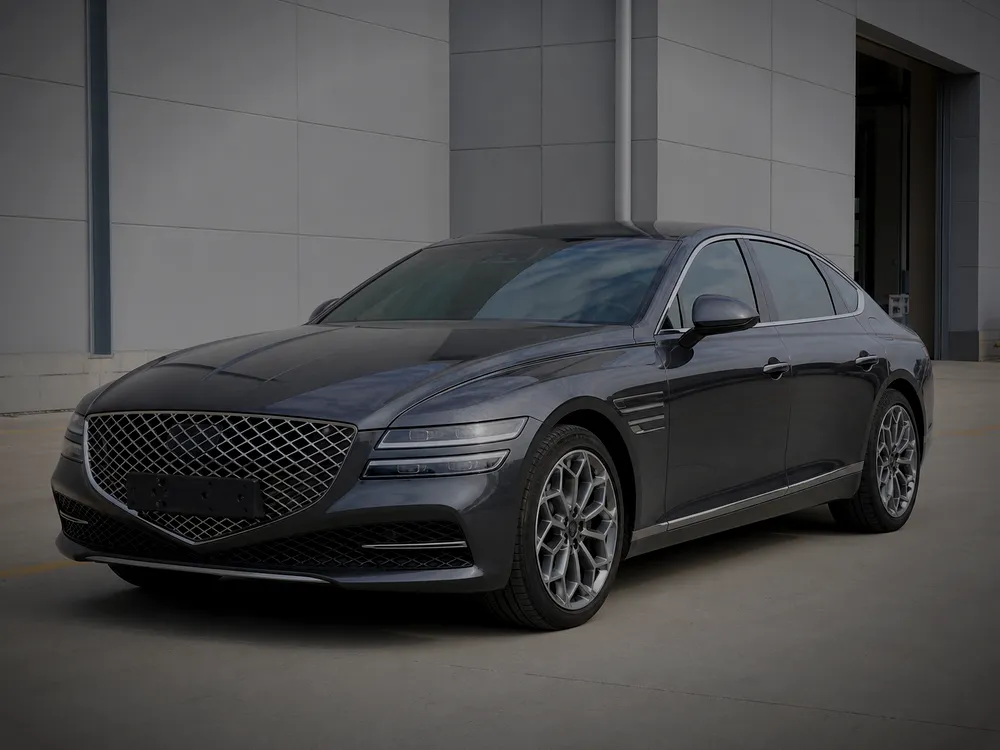
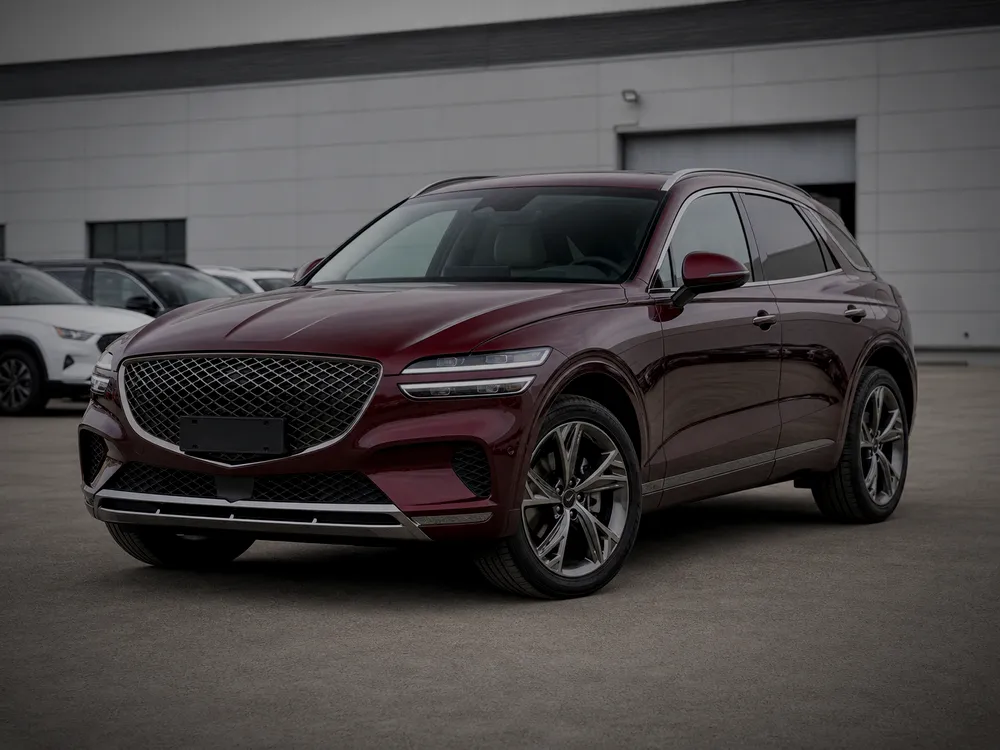
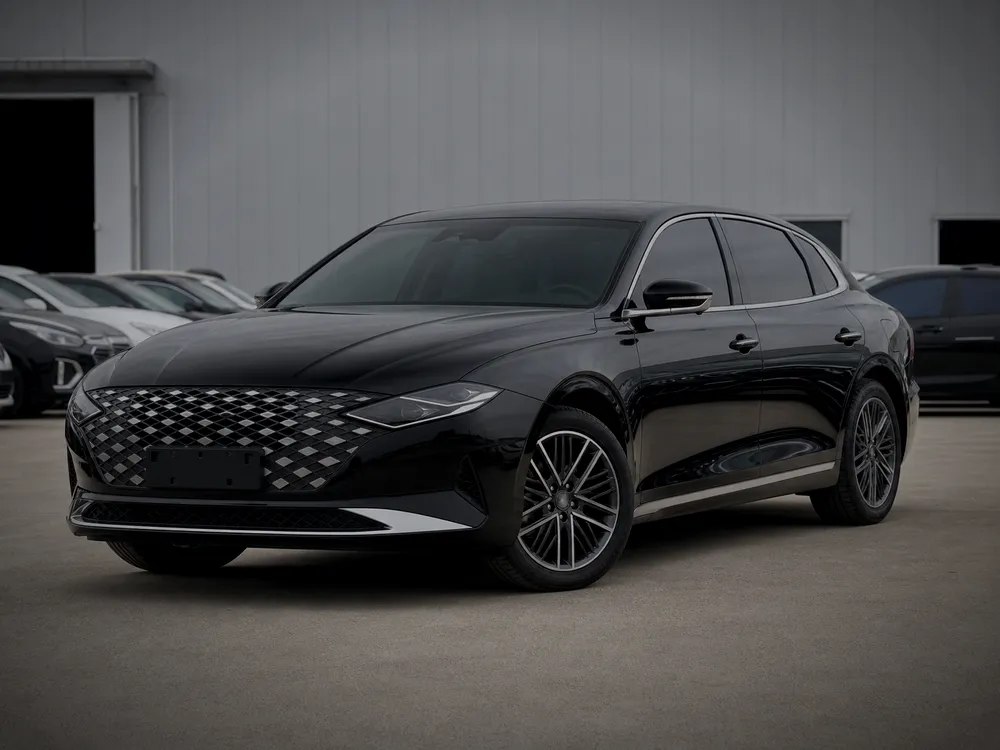
Clients rarely ask us whether a Korean car is good — they ask whether it is good enough to ship halfway across the world. It is a fair question, and the honest answer depends on the car. A high-specification Grandeur, Genesis, or top-trim Palisade can be a genuinely compelling import; a tired base model usually is not. What separates them is a combination of factory engineering, option content, and the price at which Korea's domestic market lets these cars go. When those three line up, importing makes obvious financial sense. Our job is to find the units where they do and to be candid when they do not.
Build Quality You Can Feel
Korean premium cars have closed the perceived-quality gap that once held them back. Panel fit is tight, cabins are quiet, and the materials in upper trims — real leather, soft-touch surfaces, properly damped switches — stand comparison with far pricier rivals. Mechanically the powertrains are conventional and well understood, which matters enormously for a car that will be serviced far from Seoul. There is no exotic engineering to fail expensively. For a buyer in a market with limited specialist support, that robustness is a feature, not a compromise. We still inspect every car individually, because build quality sets the ceiling but condition sets the price.
Option Content per Dollar
Where Korean cars quietly excel is equipment for the money. A mid-life Grandeur often carries ventilated seats, a head-up display, adaptive cruise, surround cameras, and a premium sound system as standard or near-standard fitment. On a German rival those same features would have been costly factory boxes, ticked or left blank depending on the original owner's budget. Because Korean buyers expect generous standard equipment, the used cars reflect it. For export that translates into a vehicle that feels expensive in the destination market while costing far less to land. We always match the option set to where the car is going so nothing is wasted.
The Depreciation Curve That Favours You
Premium cars lose value fastest in their first years, and Korean models depreciate harder than most inside their home market. That is precisely the import opportunity. A two- to four-year-old example has already shed the steepest part of its curve, so you buy near the flatter section where each additional year costs less. German luxury cars depreciate too, but their higher entry price and costly maintenance mean the absolute numbers rarely work as cleanly for export. Buying a Korean premium car at this point in its life lets you capture the brand's quality after someone else has paid for the early loss.
Service Cost Over the Long Run
Purchase price is only half the story; running cost decides whether an import stays loved. Korean premium cars use widely available parts, conventional drivetrains, and service intervals that any competent workshop can meet. Compared with German rivals — where a single out-of-warranty repair can erase the savings of buying used — the Korean ownership experience is far gentler on the wallet. For markets in the Gulf and Central Asia, where dealer networks for some brands are thin, this predictability is a major part of the value. We note known weak points honestly so the next owner budgets correctly rather than being surprised.
Where the Case Breaks Down
We would rather lose a sale than ship the wrong car, so we are clear about when importing does not pay. A poorly optioned base model, a high-mileage unit with patchy history, or a car with the wrong powertrain for its destination can all turn a good idea into a bad purchase. Diesel resale, for instance, varies sharply by market. The premium Korean import works when build quality, rich factory options, and a favourable depreciation point all coincide — and when freight is quoted honestly so the landed maths is visible. That alignment is what we hunt for on every order.
Ready to start? Browse current stock or message us on WhatsApp with your target model and destination port.