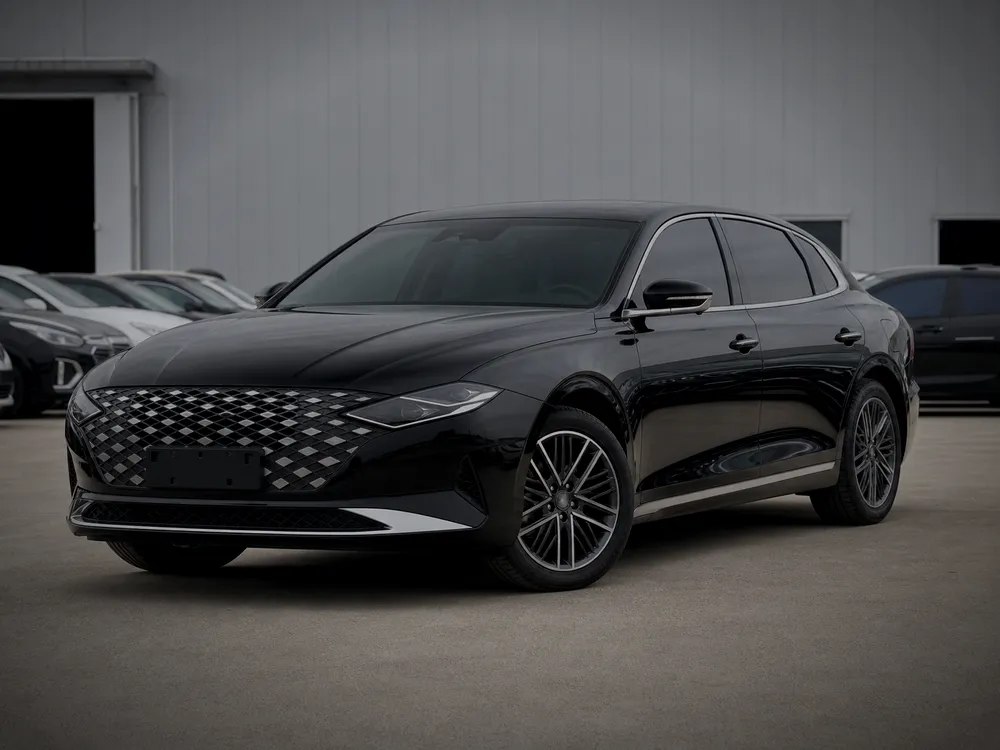
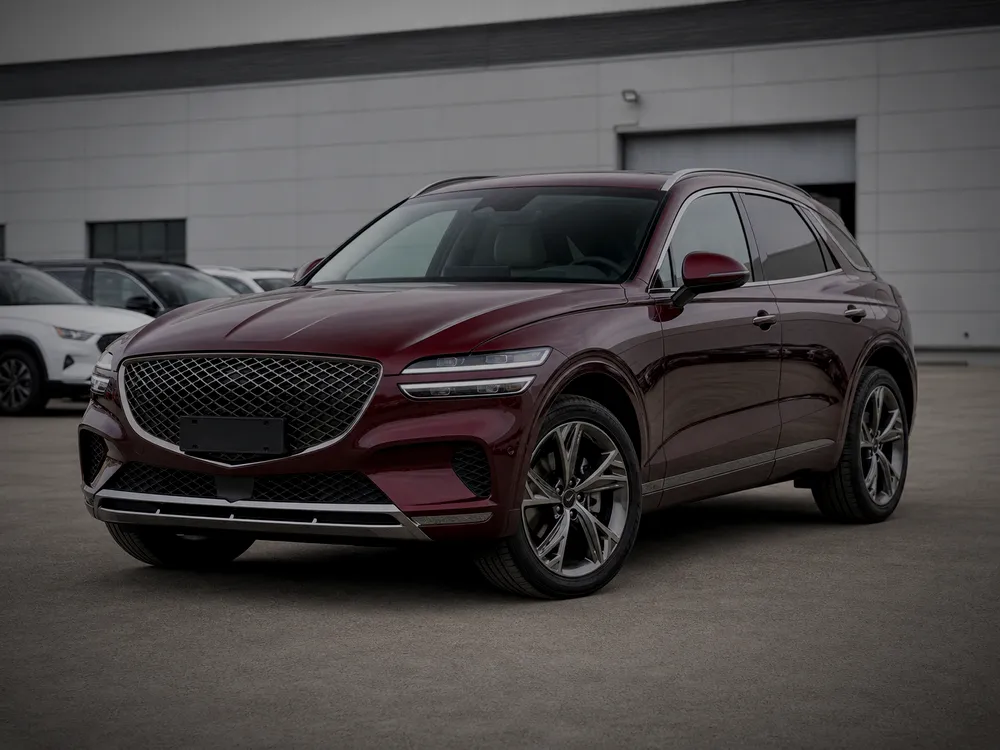
Genesis G80 & GV70 Export Buying Guide: Trims, Options, and Lasting Value
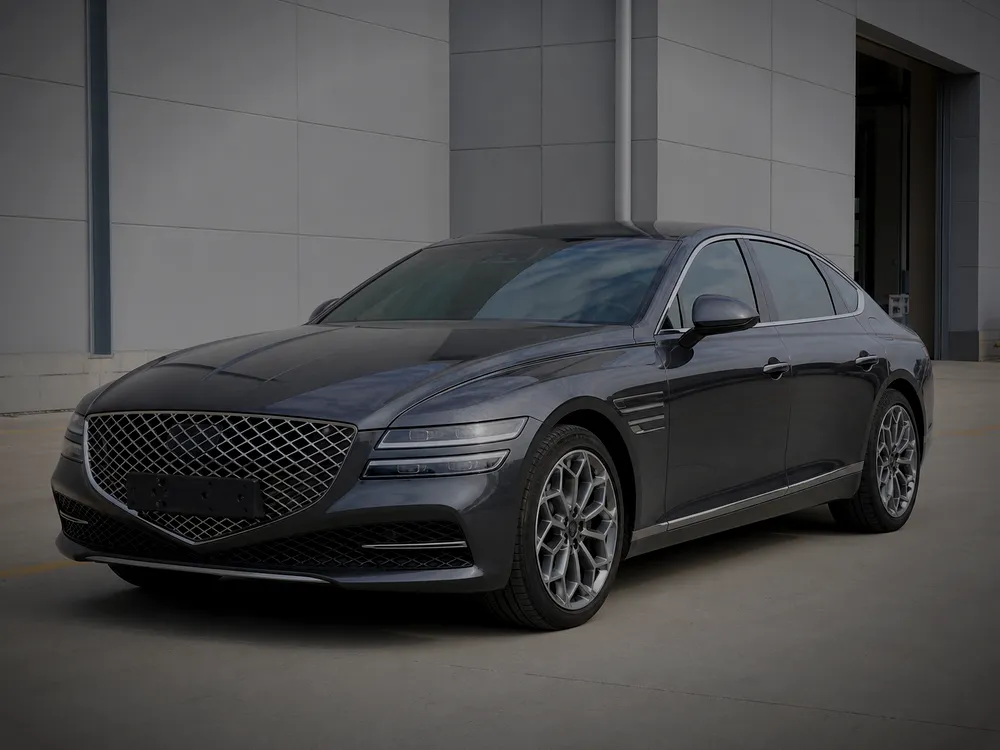
A premium exporter’s perspective from Seoul, written for buyers who care about the details. A concierge guide to sourcing export Genesis G80 and GV70 units: which trims travel well, the options worth paying for, and what to verify before you wire funds.
Why the G80 and GV70 Lead Our Order Book
The Genesis G80 sedan and GV70 SUV sit at the centre of almost every premium request we receive in Seoul. Both were engineered to challenge the German establishment, and on the road they do — quiet cabins, long equipment lists, and a ride that feels deliberately unhurried. For export buyers the appeal is twofold. First, the Korean domestic market produced these cars in real volume, so clean low-mileage examples exist. Second, abroad they read as genuinely upscale yet cost a fraction of an equivalent Mercedes or BMW. That gap is what makes a Genesis worth shipping rather than buying locally, and it is why we keep these two models on standing watch.
Reading the Trim Ladder Correctly
Korean trim names do not always travel, so it helps to think in tiers rather than badges. On the G80 you will see rear-wheel-drive 2.5T and 3.5T petrol units alongside the 2.2 diesel that many Gulf buyers avoid for resale reasons. The GV70 mirrors this with 2.5T and 3.5T petrol options. What matters for value is the equipment tier layered on top: base cars can feel surprisingly plain, while the higher packages add the materials and technology buyers expect from the brand. We always confirm the exact build, because a 3.5T badge on a lightly optioned car is not the same proposition as a fully specified 2.5T.
The Options That Actually Hold Value
Some options are cosmetic; others meaningfully change resale abroad. The ones we prioritise are the Nappa leather and quilted seat packages, the panoramic sunroof, the head-up display, the 14.5-inch wide display where fitted, the around-view monitor, and ventilated front and rear seats — the last being close to mandatory for Gulf-bound cars. Adaptive suspension and the premium audio system also separate a memorable unit from an ordinary one. Conversely, we are honest that some interior trims age faster than others. When a client tells us the destination market, we shortlist cars whose factory options match what sells there rather than chasing the longest possible feature list.
What We Verify Before Anything Else
Before a Genesis enters one of our containers it passes a fixed checklist. We pull the vehicle history to confirm ownership count and accident records, then inspect for repainted or replaced panels using a paint-depth gauge. We check that every electronic feature on the build sheet actually functions — heated steering, the surround cameras, the digital cluster — because premium cars hide expensive faults behind clever screens. Tyres, brakes, and the 12-volt and high-voltage systems on hybrids are logged with photographs. We also verify the odometer against service stamps. None of this is glamorous, but it is the difference between a car that delights on arrival and one that generates a dispute.
Why Genesis Holds Value Outside Korea
Genesis depreciates steeply inside Korea, and that is precisely the export opportunity. A two- or three-year-old G80 has already absorbed the heaviest part of its loss curve, yet abroad the brand still reads as new and aspirational. In markets where German luxury carries punishing service costs, a Genesis offers comparable presence with simpler, cheaper upkeep. Buyers in the Gulf and Central Asia increasingly recognise the badge, which supports resale rather than undermining it. We benchmark every unit against current K Car and Encar domestic pricing, quote in won and USD, and keep freight separate so you can see the true landed economics before committing.
How We Quote and Hand Over
Our pricing is deliberately transparent. The car is priced FOB Korean port against the live domestic market, with ocean freight, insurance, and destination costs itemised separately rather than buried in one figure. You receive a full photo set, the history report, the build specification, and our inspection notes before any payment. Once funds clear we secure the unit, brace it for container loading, and document the process so you can follow the car from our Seoul yard to its arrival. The aim is simple: a discerning buyer should feel they bought through a colleague in Korea, not a faceless listing.
Ready to start? Browse current stock or message us on WhatsApp with your target model and destination port.